Agentivism: Rethinking Learning When AI Becomes an Agentic Teammate
Abstract
As generative AI evolves from reactive tools into proactive and agentic teammates, successful task performance can no longer be assumed to indicate learning. Learners may write, solve problems, inquire, and make decisions effectively with AI support while developing weaker independent understanding, judgment, or transferable capability. This keynote introduces Agentivism, a learning theory for human-AI interaction that distinguishes assisted performance from durable human capability. Agentivism argues that learning occurs when learners selectively delegate tasks to AI, monitor and verify AI contributions, reconstruct AI-assisted outputs into their own understanding, and demonstrate transfer under reduced support. The talk will also draw on empirical evidence from CoLearn, a program of studies on implicit human-AI collaboration in analytical, creative, and ethical group tasks, to show how AI personas can shape group dynamics, discourse quality, psychological safety, and individual learning outcomes even when participants do not explicitly recognize AI involvement.
Short Bio
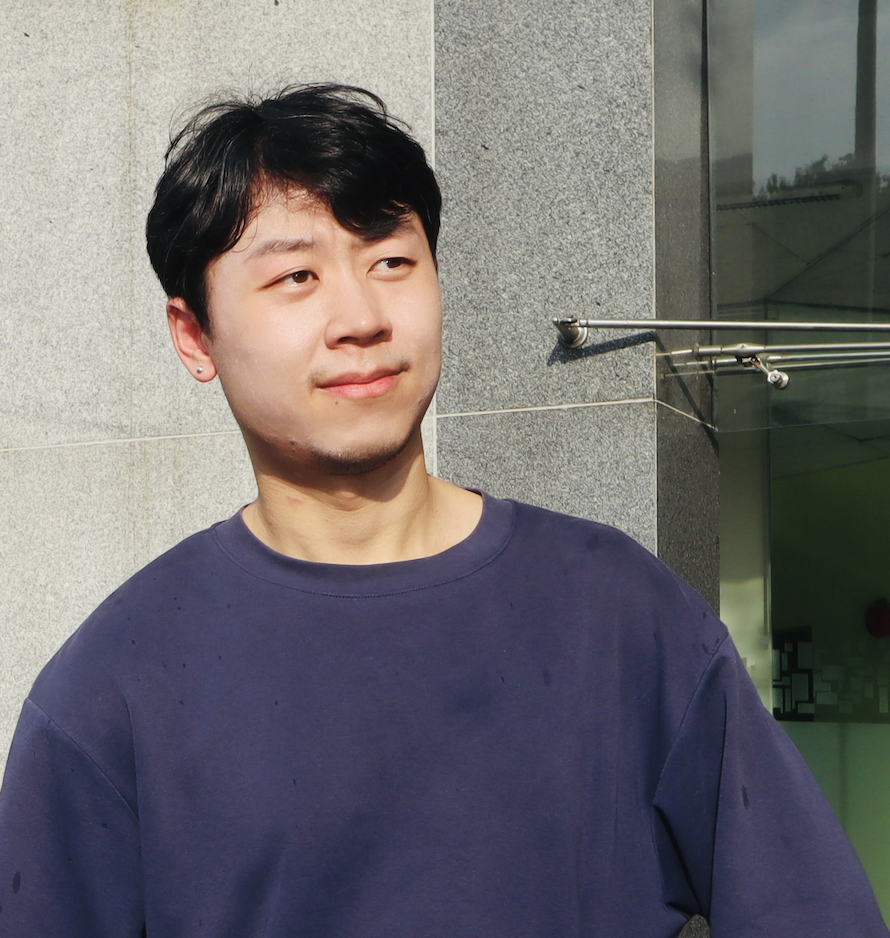
Dr. Lixiang Yan is an Assistant Professor at the Institute for Artificial Intelligence in Education, School of Education, Tsinghua University. His research lies at the intersection of artificial intelligence in education, learning analytics, educational technology, and human-AI interaction. His work examines how advanced computational and data-driven approaches can be used to understand and enhance human learning, with a particular focus on multimodal learning analytics, generative AI in education, human-AI collaboration, and educational AI agents. He has published in leading venues including Nature Human Behaviour, Nature Reviews Psychology, Computers & Education, and the British Journal of Educational Technology. He was selected for China's National High-Level Young Talent Program in recognition of his work on multimodal learning analytics and generative AI in education.